
Every house has that one drawer where random things go: a tangle of charging cables, instruction manuals for appliances, expired gift cards, loose batteries. And, almost inevitably, that drawer also houses an old smartphone that could be worth real money.
It’s like leaving cash unused in a kitchen drawer.
That's what became clear after analysing a year's worth of historical phone pricing and resale data from Cashmycell. Across Apple, Samsung, Google, Motorola and OnePlus devices, one pattern repeated itself over and over again. Waiting almost always came with a price tag.
The Cost of Waiting
Apple
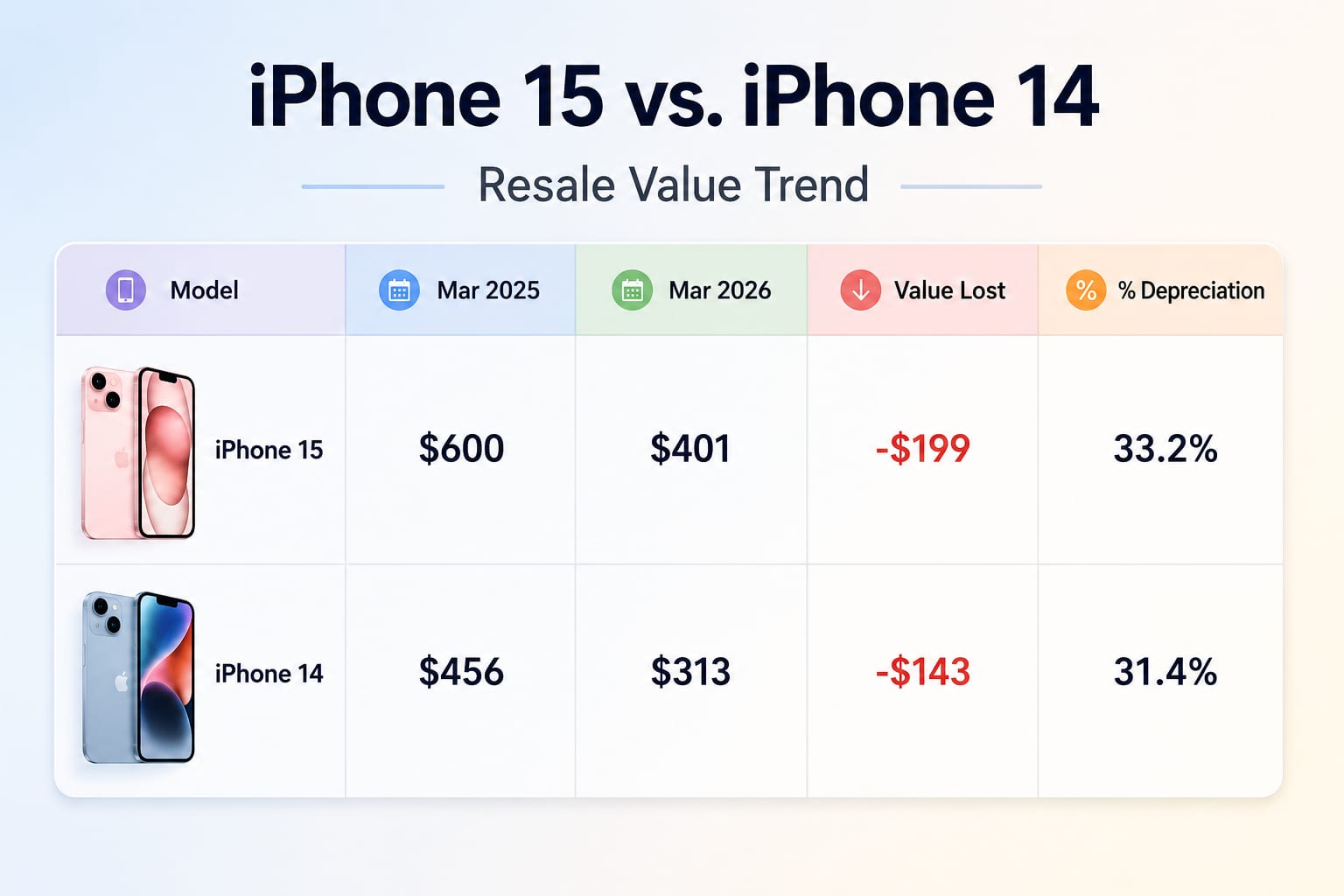
Apple has long been considered the benchmark for smartphone resale value, and the numbers largely support that reputation. Compared to most Android brands, iPhones generally retain a higher percentage of their original value over time. However, retaining value doesn't mean avoiding depreciation.
Historical pricing data shows that both the iPhone 15 and iPhone 14 experienced substantial resale declines over a twelve-month period.
Samsung
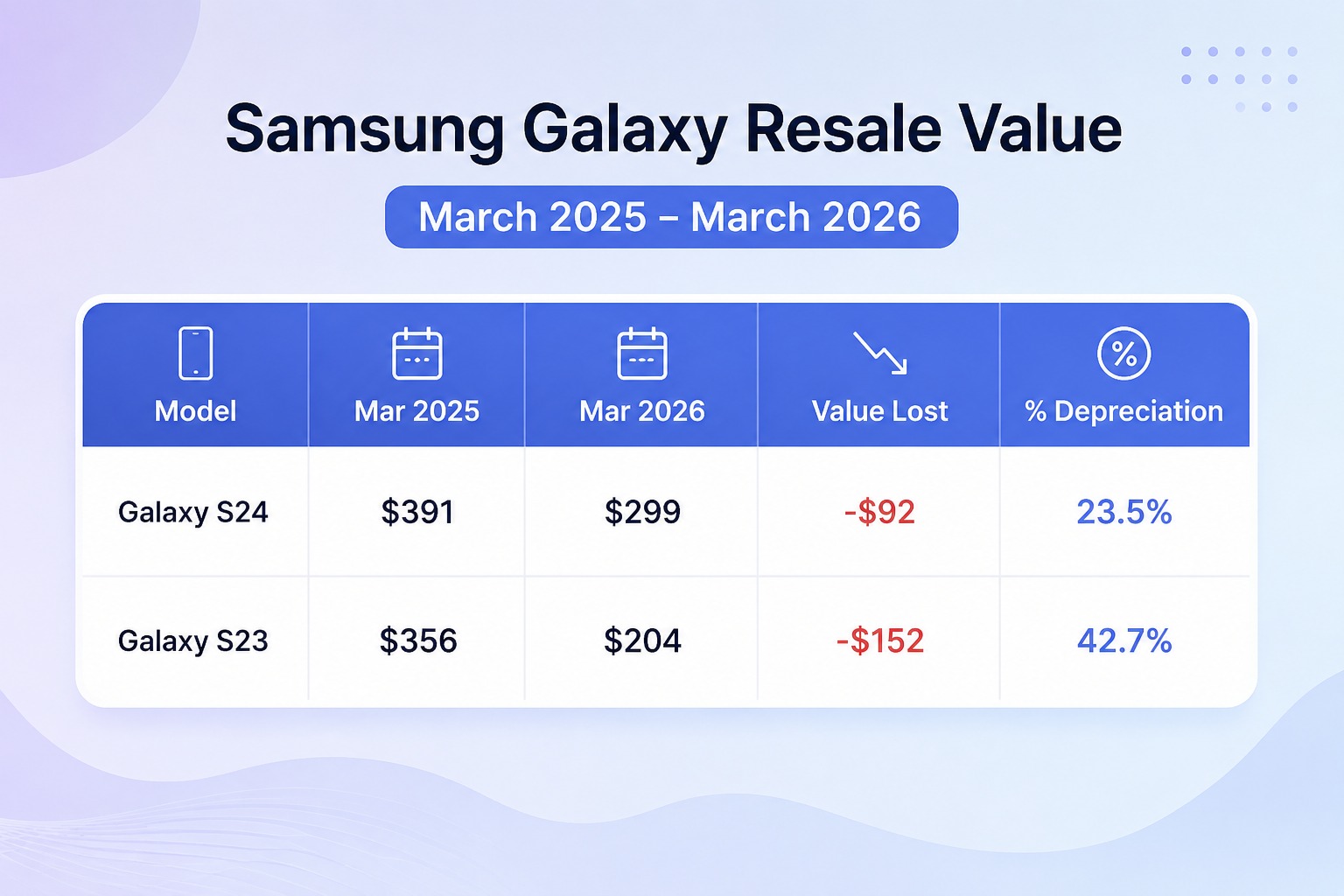
Samsung follows the same overall trend as Apple, but depreciation tends to vary more across its portfolio. The Galaxy S series has traditionally performed well in the resale market, particularly flagship Ultra models, while mid-range Galaxy devices generally experience steeper declines. Regardless of the model, historical pricing points to one consistent outcome: resale values continue to move lower as new Galaxy generations enter the market.
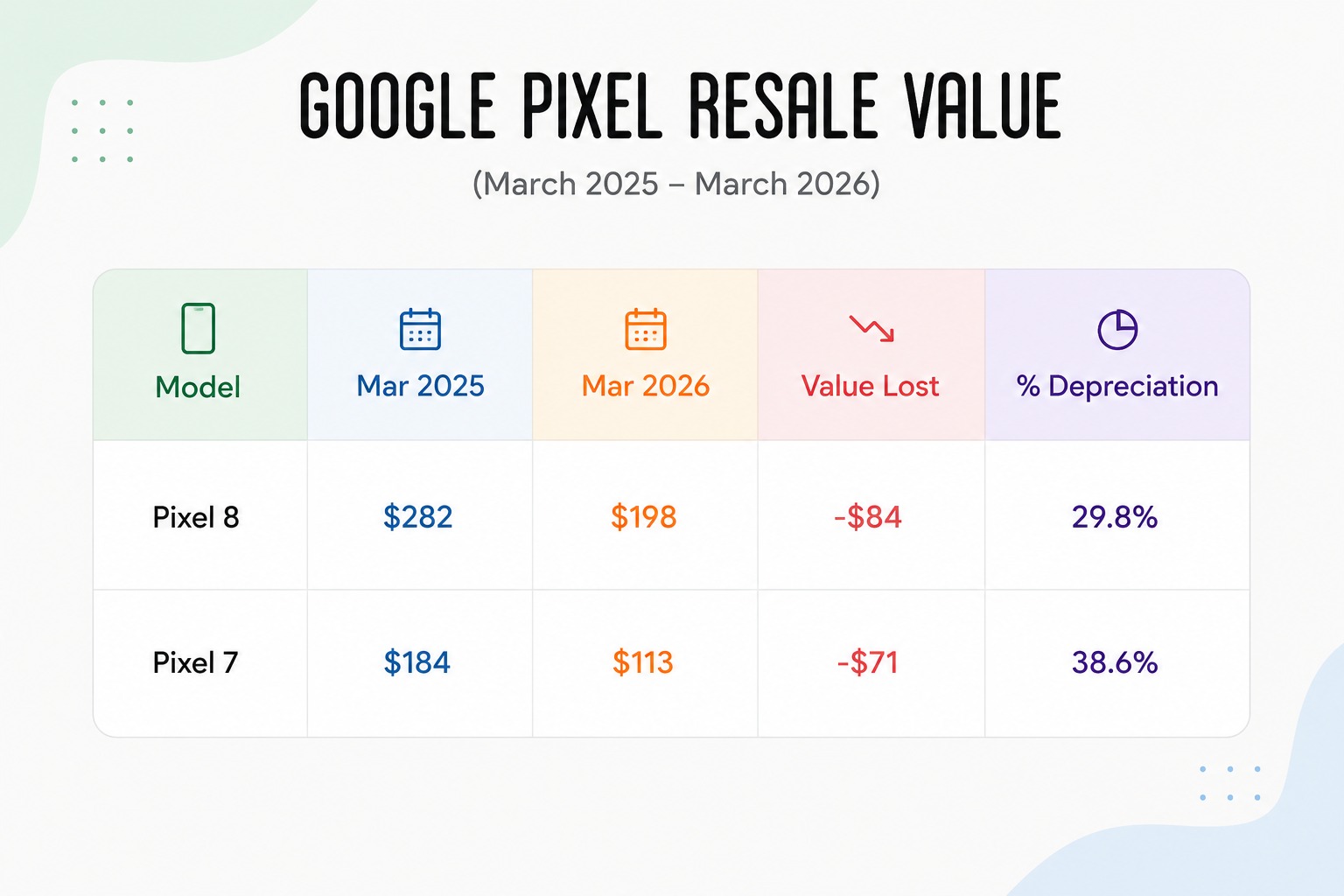
Google's Pixel lineup has earned a reputation for delivering excellent cameras and long-term software support. However, those strengths don't necessarily translate into stronger resale performance.
Historical pricing data shows that Pixel devices follow a familiar depreciation pattern. As new generations are introduced and retailers begin discounting older inventory, resale values steadily decline, even for models that continue to receive software updates.
Motorola
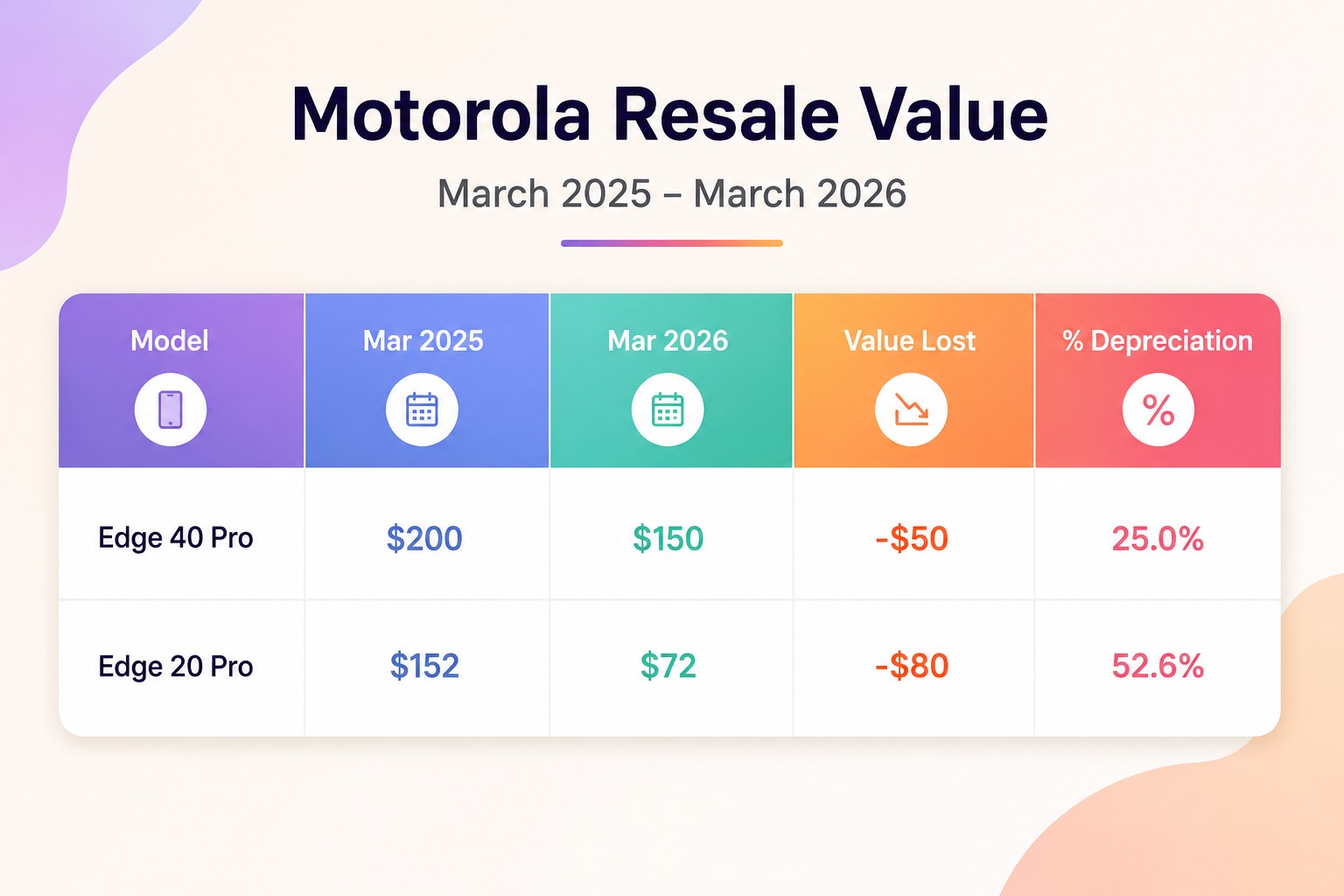
Motorola has built its reputation on delivering strong value for money, particularly in the mid-range smartphone segment. That competitive pricing also influences the resale market.
Compared with premium flagship devices, Motorola phones often experience faster depreciation as newer models enter the market and retail discounts become more common.
OnePlus
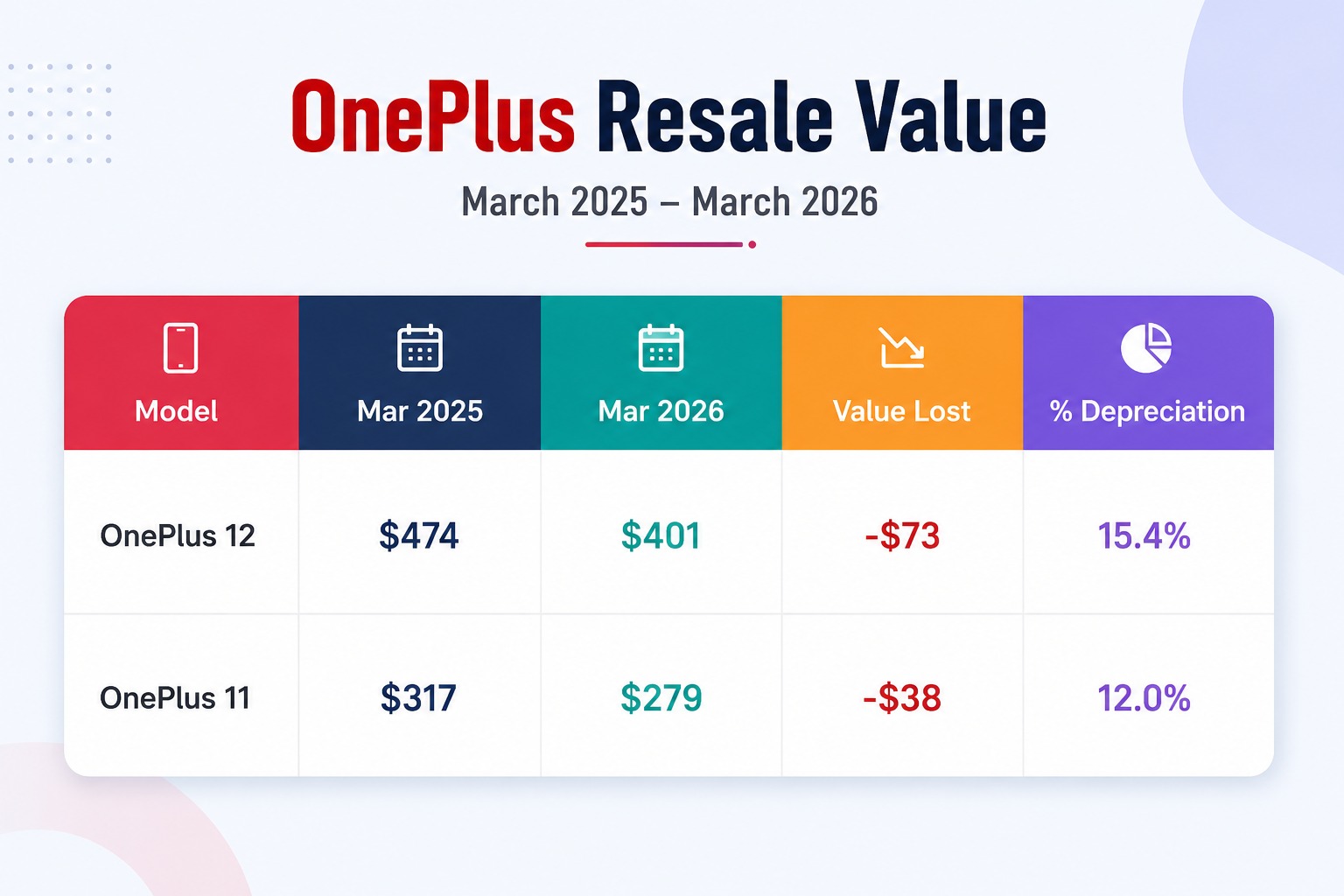
OnePlus has steadily positioned itself as a flagship alternative, offering premium hardware at prices below many competing devices. Despite that strategy, resale values follow much the same pattern seen across the wider Android market.
Historical pricing indicates that OnePlus devices continue to depreciate as newer models become available and promotional pricing narrows the difference between new and used devices.
Comparing the Market as a Whole
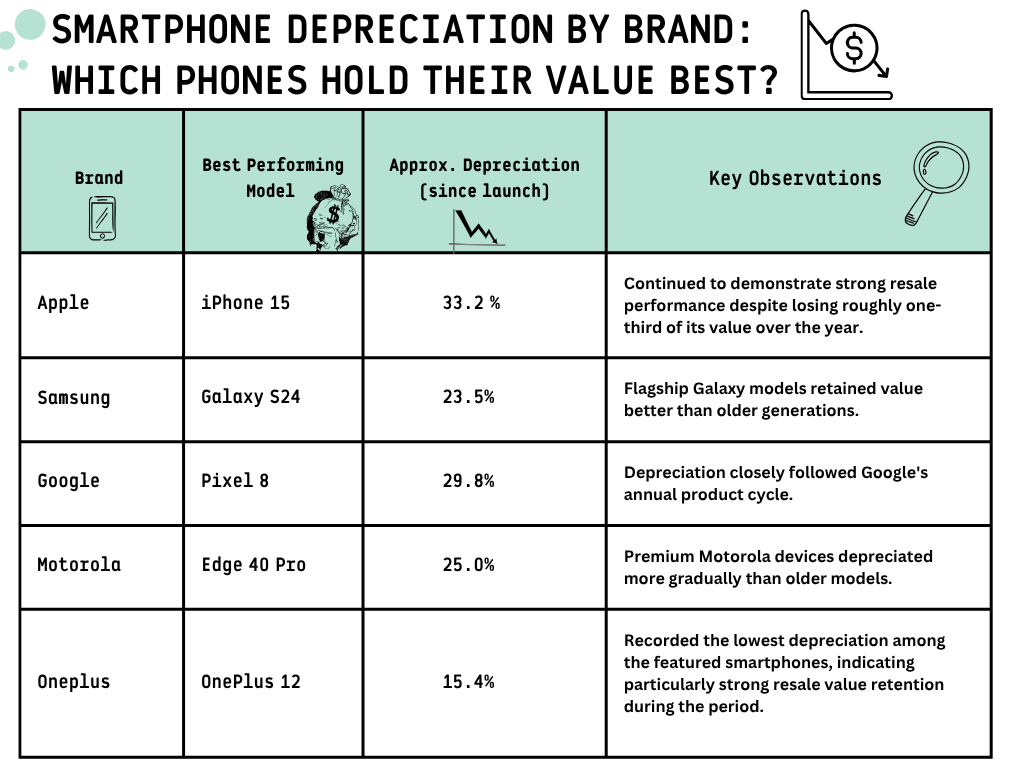
Looking across Apple, Samsung, Google, Motorola and OnePlus, one conclusion becomes difficult to ignore: depreciation is a characteristic of the smartphone market, not of any single brand.
Some manufacturers retain value better than others, particularly in the premium segment, but every device follows the same general trajectory over time.
For consumers, the implication is straightforward. Holding onto an unused phone for another six or twelve months may feel inconsequential, but historical pricing suggests that those delays often translate into lower resale returns.
Every smartphone in this analysis lost resale value between March 2025 and March 2026. The data also highlights another important takeaway: premium devices generally hold their value longer than budget and mid-range models. Even so, delaying a sale often means accepting a lower resale price as new devices enter the market and buyer demand shifts. For consumers already planning to upgrade, selling an existing device sooner rather than later may help preserve more of its remaining value.
So, take out the cash (read: smartphone) out of your drawer and carefully assess the market trends before its resale value drops any further and you lose a chunk of the money that could have funded your next upgrade.